Facial wrinkle treatment with Vistabel
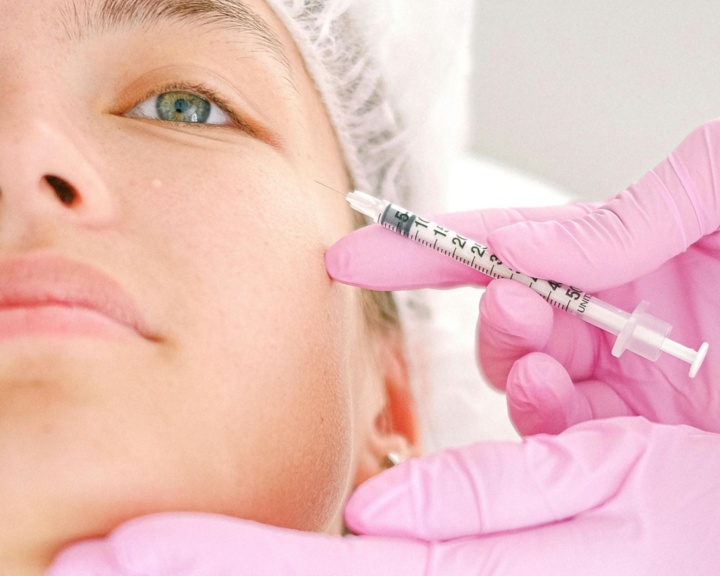
Vistabel is widely used in aesthetic medicine to soften wrinkles and give the face a lifted, firmer appearance. It temporarily reduces the activity of selected muscles. As the muscles relax, expression lines soften and can become much less visible.
Contact us with confidence.
BOOK AN APPOINTMENT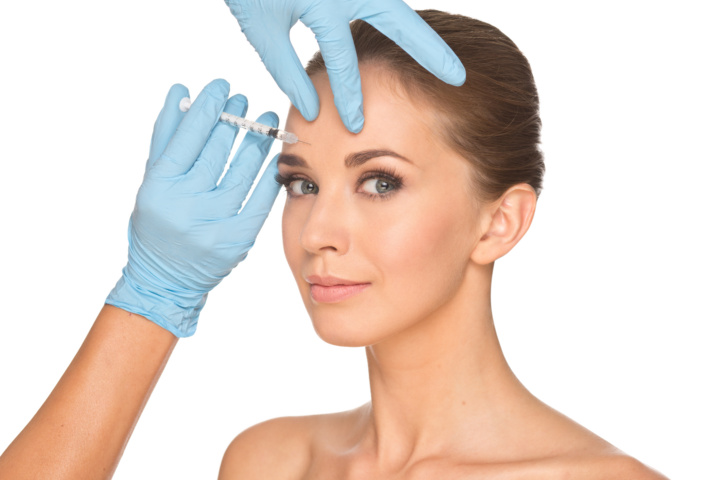
What is Vistabel?
Vistabel contains botulinum toxin. Botulinum toxins are proteins produced by certain Clostridium bacteria, chiefly Clostridium botulinum. Of the seven recognised types, type A is the one most often used clinically. It temporarily inhibits the release of acetylcholine, the chemical messenger that carries a signal from a nerve to a muscle. The targeted muscle fibres therefore become less active.
The nerve connections recover over time and the muscles regain activity. As with other medical products, Vistabel potency is expressed in units.
Botulinum toxin has medical as well as aesthetic uses. The article describes treatment of eyelid spasms (blepharospasm), spasms on one side of the face, severe migraine and facial asymmetry associated with a nerve injury. Its use in aesthetic medicine dates to 2002, giving clinicians many years of experience with it.
Treatment areas
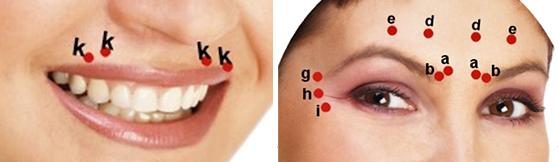
Common treatment areas include forehead lines, lines around the eyes, frown lines between the eyebrows, smile lines and lines around the lips. The article also describes treatment of excess facial oil and excessive sweating of the palms, soles and underarms.
Treatment description
At the first consultation, the doctor takes time to explain the procedure and its possible side effects. You can discuss what you hope to achieve and what the treatment can realistically offer.
The doctor checks for factors that may make treatment unsuitable, including neuromuscular disorders, allergies, infection in the intended area, certain medicines and blood-clotting disorders.
Vistabel treatment is quick. The clinician gives botulinum toxin injections in selected facial areas or, when treating excessive sweating, in the relevant body area.
After treatment
The first effects are usually seen within 24–48 hours, with the strongest effect after around 10 days. The clinic’s original article describes waiting at least two weeks before considering any further application, to limit the risk of antibody formation. It describes maintenance treatment after three to six months.
Complications are uncommon
Minor bruising and redness may occur and usually settle quickly. At the first treatment the clinician may start with a lower dose to assess the response and avoid a frozen expression or weakness of nearby muscles.
A natural expression is the aim, with some facial movement preserved. The article describes the intended action of cosmetic doses as local to the treated muscles.
Very rarely, antibodies can develop and the treatment may have less effect than expected.
Results
Treatment of selected facial areas can lift the eyebrows, soften smile lines and reduce frowning. This can help soften an angry or worried expression and make the face look fresher and more relaxed.
