Urethral Bulking with Gel for Stress Urinary Incontinence
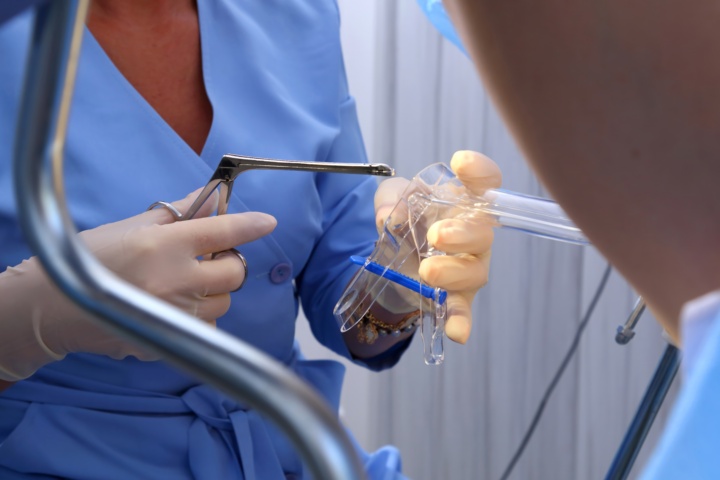
Urine leakage when you cough, laugh, run or lift something heavy can disrupt everyday life. The medical term is stress urinary incontinence.
Many women with stress urinary incontinence want effective treatment that avoids surgery. One minimally invasive option is urethral bulking. The urethra is the tube that carries urine from the bladder out of the body.
The procedure involves injecting a special gel into the urethra to help it close more effectively and reduce involuntary urine leakage.
At Sinteza Polyclinic, this procedure is available to women with stress urinary incontinence. It is performed in a procedure room, and a return to everyday activities is usually expected within 24 hours.
What is urethral bulking?
Urethral bulking is a minimally invasive treatment for stress urinary incontinence. The procedure is short, recovery is usually expected within 24 hours, and the risk of complications is low.
During urethral bulking, a gynaecologist injects a special gel into the urethra below the bladder. This narrows the passage through which urine flows and helps prevent the involuntary leakage that characterises stress urinary incontinence.
With stress incontinence, urine leaks through the urethra when pressure in the abdomen increases, for example when you cough, sneeze, laugh, exercise or lift something heavy.
The bulking gel helps the urethra close more effectively. Leakage can occur when the urethra does not close tightly enough, particularly if the urethral sphincter, the muscle that controls the flow of urine, is weak.
During the procedure, the doctor uses a cystoscope to guide the gel injections into the tissue along the urethral wall. A cystoscope has a camera at its tip so the doctor can see inside the urethra.
The injected gel adds volume to the tissue and helps the urethra close. This reduces the likelihood of leakage during physical exertion.
Urethral bulking changes the anatomy less than conventional pelvic floor surgery. Many women regard it as a smaller procedure and choose it as a treatment for stress incontinence.
Contact us with confidence.
BOOK URETHRAL BULKING
When is urethral bulking recommended?
Urethral bulking is most often recommended for women with mild to moderate stress urinary incontinence, particularly if the urethral sphincter, the muscle that closes the urethra, is weak.
Women planning a pregnancy may also be candidates for this procedure.
It may suit women who want minimally invasive treatment, either because they wish to avoid surgery or because other health conditions make a more extensive operation less suitable.
This approach is often considered after childbirth, during perimenopause or menopause, and for women who leak urine during everyday activities and want a short recovery.
Bulking may also be suitable if measures such as pelvic floor exercises have not provided enough relief.
What happens during the procedure?
Urethral bulking is performed in a procedure room and takes up to 20 minutes. After cleaning the area and giving a local anaesthetic, the doctor passes a thin instrument called a cystoscope into the urethra and injects gel at several points along the urethral wall.
The aim is to narrow the urethral opening and reduce leakage during exertion. The doctor usually injects the gel into the superficial lining near the bladder end of the urethra, at several points around its circumference. This creates a narrower ring that makes urine less likely to leak.
You remain awake and aware of what is happening. Afterwards, you will usually stay briefly for observation and can go home the same day if you are passing urine normally and your doctor is satisfied with your recovery.
How should I prepare?
Before treatment, a gynaecologist will examine you to assess whether urethral bulking is a suitable option.
Preparation usually includes:
- a gynaecological or urological examination
- urinalysis and a urine culture
- an ultrasound of the urinary tract
- additional tests, such as urodynamic studies, if the doctor considers them necessary
These steps help confirm stress incontinence and rule out a bladder infection, which can cause similar symptoms. Involuntary leakage can have causes other than stress urinary incontinence.
The procedure is performed under local anaesthesia, so you do not need to stop eating or drinking beforehand. Please bring your existing medical records.
Who should avoid urethral bulking?
Urethral bulking is not suitable for everyone. It is usually not recommended in the following situations:
- an active urinary tract infection
- damaged urethral tissue
- significant narrowing of the urethra or bladder neck
- certain problems with urination
- a neurogenic bladder, depending on the findings and the type of material used
- more severe incontinence or a more complex disorder affecting bladder and urethral function
In these situations, your gynaecologist may recommend another treatment. This is why an examination before the procedure is important.
Recovery after the procedure
Recovery is usually quick. Most women return to everyday activities within 24 to 48 hours, depending on how they feel. Some report being able to carry on as usual and noticing an improvement on the day of treatment.
For a few hours after the procedure, you may notice mild discomfort, burning when passing urine or a feeling of pressure around the bladder.
On the first day, rest, drink enough fluids and pay attention to whether you are passing urine normally. Contact your doctor if you develop significant pain, a fever or heavier bleeding, or if you cannot pass urine.
Arrange follow-up with the doctor who performed the procedure. One or two follow-up visits are usually recommended.
What are the possible side effects and complications?
Like any medical procedure, urethral bulking carries some risks and can cause side effects.
Most symptoms are mild and temporary, such as discomfort after the procedure, burning when passing urine, a little blood in the urine or a feeling of pressure.
Less commonly, you may experience:
- temporary difficulty passing urine
- a bladder infection
- the need for a repeat procedure over time
The effect can wear off, and symptoms may return after a year or sometimes longer. The procedure can be repeated. Urethral bulking may be an option if you wish to avoid general anaesthesia and more extensive surgery.
Cost
The fees for urethral bulking and any additional tests are listed in our price list (in Croatian) on the clinic website.
Frequently asked questions
How long is the recovery period?
Most women return to their usual activities within 24 to 48 hours. Burning when passing urine or mild discomfort usually settles within two to three days.
Is the procedure painful?
The procedure is usually performed under local anaesthesia, so discomfort is generally mild and brief. Some patients report having taken diazepam, a sedative, half an hour before their appointment to help them relax.
How long does the procedure take?
Urethral bulking usually takes 10 to 20 minutes.
When can I expect to see results?
Many women notice an improvement soon after treatment. The outcome is assessed at follow-up, once the immediate symptoms have settled and the body has adjusted to the change in the urethra.
What if the result is unsatisfactory?
If the effect is insufficient, the procedure can sometimes be repeated. Other treatments, including surgery, remain possible. Your doctor will discuss these options after examining you.
Can this replace surgery?
Not always. Urethral bulking is less invasive and can be a good first choice for some women, but surgery may be more effective in the long term. The most suitable option depends on the severity of the incontinence, your test results and your gynaecologist’s assessment.
This service is provided at the location:
- For 16 years, the first choice for our clientsSinteza - Folnegovićeva


