Manual Lymphatic Drainage
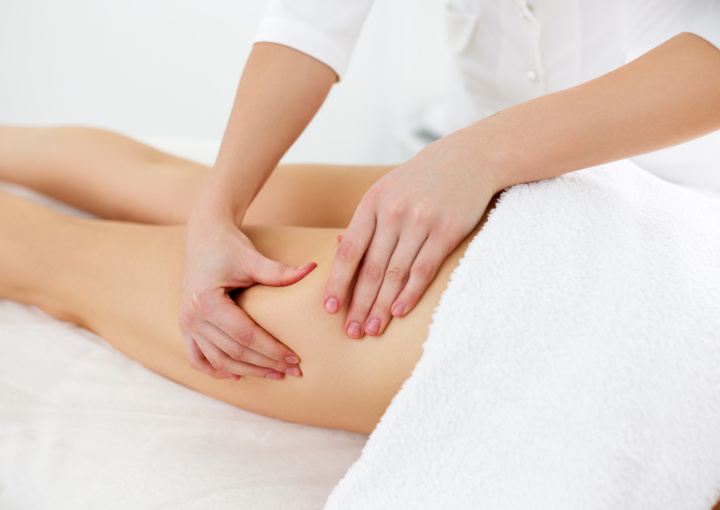
Dr Vodder’s method of manual lymphatic drainage is a gentle, non-invasive hands-on technique that stimulates the lymphatic system. Lymph is the fluid that carries excess fluid away from the tissues.
Light, rhythmic, circular movements encourage lymph to flow, helping reduce swelling and clear metabolic waste.
Lymphatic drainage is used in rehabilitation after surgery or injury, as well as for preventive and aesthetic purposes. It is particularly sought after following cosmetic procedures such as rhinoplasty and breast surgery.
-
- Type of treatment: a specialised form of manual therapy
- Main aims: to encourage lymph flow, reduce swelling and support recovery
- Common uses: after surgery or injury, to treat lymphoedema, relieve lipoedema symptoms, and manage swelling associated with venous insufficiency or pregnancy, scarring and fibrosis
- Length of a session: 30–60 minutes
- Recommended number of sessions: usually 5–10, depending on individual needs
- Medical advice: if you are pregnant, consult your doctor before booking.
- After treatment and returning to activity: avoid strenuous activity, exercise and intense heat, including sunbeds and saunas. Rest for the day and drink plenty of water.
What is Dr Vodder’s method of manual lymphatic drainage and how does it work?
Dr Emil Vodder and his wife Estrid developed this hands-on treatment in the 1930s. It uses light, rhythmic, circular movements to encourage lymph flow and differs from traditional massage in several ways:
- Skin stretching: instead of gliding over the skin, the therapist gently stretches and rotates it.
- Pumping action: the therapist rhythmically increases and releases pressure on the skin to guide lymph along its natural drainage pathways.
- Light pressure: the small lymph vessels lie just beneath the skin. Too much pressure would compress them and stop the flow.
The aim is to help lymph move through the body, which can reduce the accumulation of fluid in swollen tissues.
It is therefore used to help prevent swelling after injuries and operations, as well as for other conditions in which improved lymph flow may ease feelings of heaviness and tightness in the tissues.
Contact us with confidence.
BOOK MANUAL LYMPHATIC DRAINAGE
When is manual lymphatic drainage recommended?
Lymphatic drainage is recommended when surgery, injury or illness slows down or obstructs the flow of lymph.
Lymphoedema (swelling caused by a physical obstruction to the flow of lymph)
- after surgery, for example after lymph nodes are removed during treatment for breast, gynaecological or urological cancer
- after radiotherapy
- congenital (primary) lymphoedema
Postoperative oedema (swelling after surgery)
- after orthopaedic procedures
- after plastic and reconstructive surgery
- after dental or maxillofacial procedures
- after cosmetic surgery, for example on the nose or breasts
Post-traumatic oedema (swelling after injury)
- sprains
- strains
- bruises
- fractures
- sports injuries
Chronic venous insufficiency (leg swelling when blood does not return efficiently through the veins)
Lipoedema (a chronic condition affecting the distribution of fatty tissue)
- to reduce tension, pain and tissue sensitivity
Swelling during pregnancy
- only on a doctor’s recommendation and if there are no medical contraindications
Scars and fibrosis
- to soften scar tissue and fibrous tissue and improve their mobility
- after burns, surgery, injuries, prolonged inflammation or radiotherapy
Certain chronic conditions
- in some people with rheumatic or neurological conditions that cause swelling
Lymphatic drainage after cosmetic surgery and sports injuries
Lymphatic drainage is a popular treatment after cosmetic surgery. It helps reduce postoperative swelling and drain fluid that has accumulated in the tissues. Examples include nose and breast surgery, liposuction, abdominoplasty, facelifts, neck lifts and other procedures. Less swelling and tightness in the treated area can support a quicker recovery.
For sports and other injuries, including sprains, strains, bruises and fractures, treatment is used after the acute stage or as recommended by a doctor. The aim is to ease tightness, improve movement in the injured area and aid rehabilitation.
Who else can benefit? Rehabilitation, preventive and aesthetic uses
Manual lymphatic drainage can help different groups of patients:
- Rehabilitation: to support recovery after an illness, injury, operation or another condition that causes swelling.
- Preventive use: when there is an increased risk of swelling, most often after surgery or radiotherapy.
- Aesthetic use: after cosmetic procedures to reduce postoperative swelling and support a quicker recovery.
Results and what to expect
Treatment encourages lymph flow. The benefits depend on the reason for treatment and your medical history and may include:
- less swelling after injuries and operations
- support for a quicker recovery
- with lipoedema: less pain, heaviness and swelling
- with scarring and fibrosis: softer scar tissue
The number of sessions needed for a noticeable improvement depends on why you are having treatment and the type of swelling. Five to ten sessions are usually needed. Our specialists will recommend a plan after assessing you.
Who needs an assessment and extra precautions?
For every patient, we first assess the cause of the swelling and whether treatment is appropriate.
Pregnancy requires particular care. Swelling during pregnancy is treated only on a doctor’s recommendation and if there are no medical contraindications.
What happens during treatment?
At your first visit, we briefly assess why you have come and examine the swollen area. The therapist then uses manual techniques to encourage lymph flow. You lie down for treatment, which is performed on dry skin. You need only remove clothing from the areas being treated.
Patients usually describe the treatment as gentle and relaxing. The therapist uses a very light touch on the skin and muscles. Treatment is painless, and the slow, rhythmic movements may make you feel sleepy. A session can last 30–60 minutes.
At the end of the session, you will receive a recommended treatment plan.
Preparing for your appointment
No special preparation is needed. Bring any relevant medical records, for example records relating to surgery, injury, lymphoedema, radiotherapy, venous insufficiency or a chronic condition.
If you are pregnant, bring your doctor’s recommendation.
Wear comfortable clothing that is easy to remove from the area being treated.
Cost
You can check the cost of treatment in our price list. For more information, call +385 1 5005 970 or email info@sinteza.hr. You can also book an appointment directly.
This service is provided at the location:
- DIAGNOSTIC CENTER - MAGNETIC RESONANCE WITHOUT WAITINGSinteza - Vrbanićeva