Mole and Benign Skin Lesion Removal
Contact us to arrange an appointment.
BOOK MOLE REMOVALWhat is mole and benign skin lesion removal?
This procedure removes unwanted skin growths that are usually harmless. Examples include moles, warts, keratoses, fibromas, lipomas and other benign lesions.
There are several reasons for removing a mole or another benign skin lesion.
- Appearance or comfort. A person may want to remove a lesion because of its appearance, its effect on their confidence or a practical problem such as a raised mole catching on clothing.
- Medical reasons. A mole may need surgical removal if the dermatologist suspects cancerous changes. A pathologist can examine the removed tissue for cancer or other abnormalities.
When should a skin lesion be removed?
If a lesion changes shape, size or colour, or if its appearance bothers you, a dermatologist at Sinteza Clinic can assess it and discuss removal.
What methods are available for removing moles and other benign skin lesions?
The clinic offers three methods for removing moles and other benign skin lesions, namely surgery, laser treatment and radiofrequency removal.
Surgical removal. The surgeon removes the surface portion of the mole and the part beneath the skin. Initial recovery takes 7–14 days. The area needs dressings during the first few days. After the stitches are removed, use the prescribed creams for the following weeks to help minimise scarring.
Laser removal can be used for selected moles and other benign growths. The focused laser beam heats and destroys the tissue. There is no incision or stitching, and recovery is usually quick. The chance of scarring may be lower than with some other methods. A scab forms and typically falls off after about two weeks.
Laser treatment destroys the lesion tissue. It does not leave a sample for a pathologist to examine and establish a definitive diagnosis.

With radiofrequency removal, a local anaesthetic is injected beneath the growth using a fine needle. High-frequency alternating current cuts and coagulates the tissue without applying physical pressure. The procedure usually requires no stitches and leaves a small wound corresponding to the size of the growth.
A scab then forms. New skin develops in about 7–10 days and its colour gradually blends with the surrounding skin.
Who is a candidate for mole or benign skin lesion removal?
Your dermatologist may discuss removal with you for the following reasons.
Cosmetic concerns. A mole or another lesion may bother you, affect your confidence or be inconvenient in daily life.
Potentially concerning changes. A mole or other lesion may need assessment if its size, colour, shape or texture changes, or if it bleeds, itches, stings or causes other symptoms.
A dermatologist can assess the lesion and recommend an approach for you. They consider your skin, medical history and other relevant factors and explain the risks, expected outcome and recovery.
What should I know before having a mole or benign skin lesion removed?
Before deciding on removal, discuss the following points with your dermatologist.
Diagnosis and assessment. Your dermatologist examines the lesion and explains the available options.
Risks and side effects. Your dermatologist will explain the risks for your procedure. Possible effects include swelling, bruising, redness, discomfort or mild pain. Scarring is also possible, particularly after surgical removal.
It is important to understand the procedure and ask your dermatologist questions before deciding. Discussing the possible benefits and risks can help you choose an option that suits you.
Contact us to arrange an appointment.
SEND AN ENQUIRYWhat happens during mole or benign skin lesion removal?
The process depends on the type of lesion and the method your dermatologist recommends. A typical appointment includes the following steps.
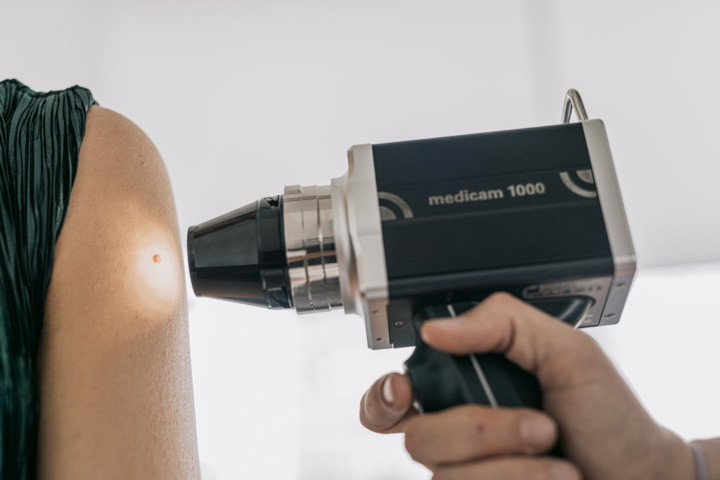
Consultation and examination. The first step is a consultation with a dermatologist or another qualified specialist. They examine the lesion, make an assessment and recommend the most suitable approach.

Preparation. You may receive instructions for the area being treated, such as cleaning the skin or adjusting medicines or products used on that area, as directed by your clinician.
Local anaesthetic. Most procedures use a local anaesthetic to minimise discomfort.
Removal. Once the area is numb, the dermatologist carries out the selected procedure. Options include excision with a scalpel, laser removal or radiofrequency removal.
Recovery. The dermatologist applies a dressing or gives you instructions on wound care. Depending on the procedure, you may need a plaster or dressing for a time. Follow the instructions to support healing and reduce the risk of infection.
Follow-up. You may need a review to check that the lesion has been fully removed and the area is healing well. Attend follow-up visits as recommended by your dermatologist.
The size and type of the lesion and the method used all affect the course of treatment. Your dermatologist will give you instructions specific to your procedure.
Recovery after mole and benign skin lesion removal
Recovery varies with the method used and the size of the lesion.
General aftercare guidance includes the following.
Protect the wound. Follow the wound-care instructions your dermatologist gives you. A plaster or dressing may be needed to protect the area while it heals and to reduce the risk of infection.
Keep the area clean. Gently wash the skin around the wound with mild soap and water. Avoid rubbing or pulling the skin.
Avoid rubbing or pressure. Choose loose-fitting clothing that will not rub the treated area or irritate the wound.
Protect the area from the sun. Direct sunlight during recovery can contribute to pigmentation changes or scarring. If sun exposure is unavoidable, cover the area with clothing or a dressing and follow the clinic’s advice on sun protection.
Avoid activities that could reopen the wound. Until the area has healed, avoid strenuous exercise, lifting heavy weights or other activities that could stretch or injure the treated skin.
Follow your dermatologist’s advice. This may include follow-up visits, prescribed creams or ointments to relieve discomfort and support healing, and any instructions about medicines or diet.
Healing usually takes from a few days to a few weeks, depending on the procedure and the size of the area. Contact your dermatologist promptly if you notice redness, swelling, warmth, pain, pus or a fever, which may indicate infection.
How much does mole or benign skin lesion removal cost?
You can check the fee in our current price list (in Croatian). For information or appointments, call +385 1 5005 970 or email info@sinteza.hr. You can also book an appointment online.
Where is this service available?
- AN OASIS FOR ANTI-AGEING AND AESTHETIC TREATMENTS Sinteza Skin Clinic
- NAŠA DERMATOLOŠKA POLIKLINIKA ZA REGIJU KVARNERASinteza Skin Clinic - Rijeka