VASERlipo – Ultrasound-assisted knee liposuction
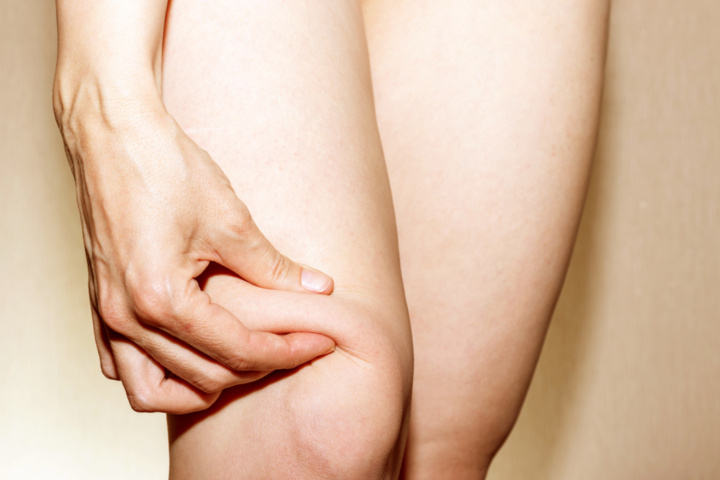
VASERlipo, or ultrasound-assisted liposuction of the knees, removes localised fat deposits from the inner knee or just above it, and from the outer knee if needed. Ultrasound breaks up the fat cells before the surgeon removes them through small skin incisions with a thin suction tube called a cannula.
Ultrasound allows the surgeon to target fat more precisely. This can reduce trauma to the surrounding tissue, shorten recovery and give the treated area a more defined shape.
Knee liposuction may suit women and men who want to remove localised pockets of fat around the knees to give the legs a more even contour.
Candidates
Candidates for VASERlipo of the knees are adults over 18 with unwanted fat around the knees that persists despite exercise. Ideal candidates
- are within 30% of their ideal body weight,
- have elastic skin and good muscle tone,
- are in good general health, without serious chronic disease,
- do not smoke.
The procedure is not recommended for people whose weight fluctuates considerably or whose lifestyle makes it difficult to maintain the result.
Contact us with confidence.
BOOK A LIPOSUCTION CONSULTATION
Preparation
Before surgery, you will meet with our cosmetic surgeon to assess whether knee liposuction is suitable for you.
The surgeon will ask about your medical history, including medicines you take and any allergies. You will have the opportunity to discuss your goals and expectations.
If the procedure is suitable for you, you will need to
- have the preoperative tests required for your type of anaesthesia,
- wash your whole body with antibacterial soap on the day of surgery or the night before,
- follow the clinic’s fasting instructions for your type of anaesthesia,
- remove jewellery and nail polish from your fingers and toes before your appointment,
- follow your doctor’s instructions about avoiding medicines and supplements that affect blood clotting, including anti-inflammatory painkillers (NSAIDs) and aspirin products such as Andol.
What happens during the procedure?
Ultrasound-assisted liposuction is usually performed under general anaesthesia. Small, localised areas can also be treated under local tumescent anaesthesia. After cleaning the skin, the surgeon injects a tumescent solution through small incisions to reduce bleeding and numb the tissue. A VASER probe breaks up the fat cells, which are then removed with a thin suction tube called a cannula. The incisions are stitched if needed and covered with dressings.
The operation takes 1 to 3 hours. It may take longer if areas other than the knees are treated.
Patients usually spend a few hours at the clinic and go home the same day. The clinic recommends an overnight stay if several areas have been treated.
Recovery
Because VASERlipo targets the fat and limits trauma to nearby tissue, recovery can be shorter and easier than with other liposuction methods.
- Pain, swelling and tightness around the knees are expected on the first two days. Rest and take short, gentle walks around the house. A compression garment is worn day and night for the first weeks, except when showering. You can usually shower after 24 to 48 hours. The clinic also recommends lymphatic drainage after surgery.
- The initial symptoms usually ease within a week. Some discomfort, itching as the skin heals and bruising may remain. Most patients can return to desk work at this stage, but should continue to avoid physically demanding work.
- After 2 to 4 weeks, the new contours start to emerge as the swelling subsides. You can resume light exercise and may be able to wear the compression garment for only part of the day, as advised by your surgeon.
- The remaining swelling gradually subsides over the next three months. The final result is usually visible 3 to 6 months after surgery.
Risks and complications
Risks associated with surgery and anaesthesia include haematoma, infection, prolonged swelling, bruising, a reaction to anaesthesia and delayed healing.
Other possible complications include temporary changes in sensation, fluid collecting under the skin and an uneven skin surface.
Cost
You can check the fee in our currentprice list (in Croatian). For more information, call the clinic or email info@sinteza.hr. You can also book a consultation online.
Frequently Asked Questions
How does VASERlipo differ from other types of liposuction?
Conventional liposuction mechanically loosens fat deposits before suctioning them out. This can cause more trauma to the surrounding tissue. VASERlipo uses ultrasound energy to break up fat cells before suction, helping preserve small blood vessels, nerve endings, connective tissue and collagen.
Laser-assisted liposuction is another option. It uses laser energy to liquefy fat cells before they are removed by suction.
Can more than one area be treated during the same operation?
Yes. You can discuss treating several areas with your surgeon at the consultation. Adjacent areas, such as the thighs and knees, are often treated together.
Is the procedure painful?
You are unconscious under general anaesthesia and do not feel pain during the operation. If a small area is treated under local tumescent anaesthesia, you receive pain relief and medicine to help you relax before the procedure.
The area around the knees may feel sore and tight during the first few days of recovery.
When can I resume physical activity?
You can resume light exercise after two to four weeks. More strenuous activities, such as going to the gym or playing sport, can usually be resumed after a month.
Do I need to wear a compression garment?
Wear the compression garment day and night for the first two weeks, except when showering. After that, your surgeon will advise when to wear it during the day. It is worn for about six weeks in total on average.
How long is the recovery period?
Pain and tightness usually ease considerably within a week, when most patients can return to desk work. Avoid strenuous activity for another two to three weeks. It can usually be resumed one month after the operation.
When will I see the final results?
The final result becomes visible once the swelling has resolved and the skin has adapted to the new contours, usually after 3 to 6 months. In some patients the tissues continue to settle for up to 12 months.
This service is provided at the location:
- For 16 years, the first choice for our clientsSinteza - Folnegovićeva

